
The Wild West era of digital marketing—where user data was freely scraped and sold—is behind us. As we navigate 2026, the digital landscape looks vastly different. The third-party cookie is officially dead, and global data protection laws have sharper teeth.
But instead of signaling the end of personalized marketing, these privacy shifts have sparked a massive evolution. Smart professionals use the privacy revolution as a competitive advantage.
Here is a look at how data privacy is fundamentally reshaping digital marketing in 2026.
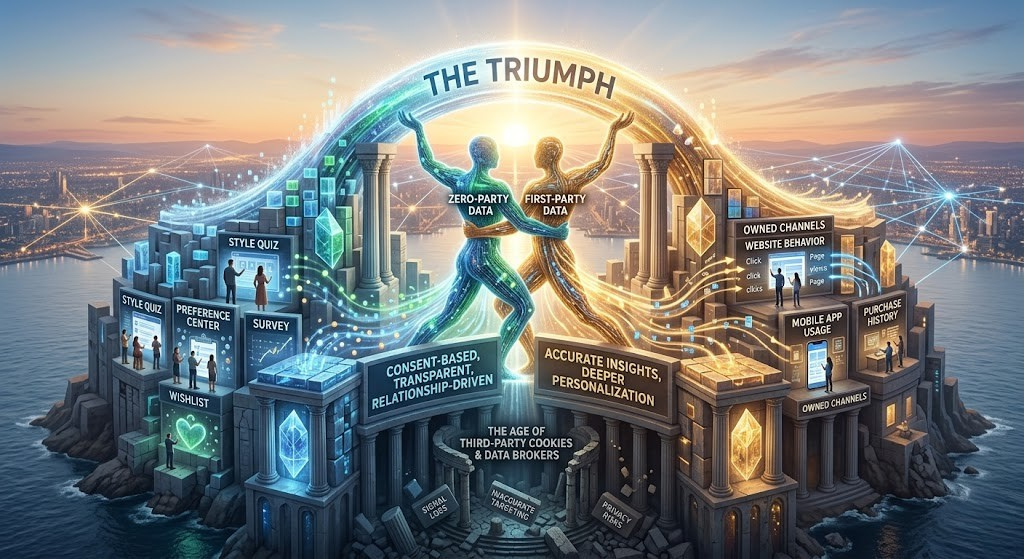
1. The Triumph of Zero-Party and First-Party Data
With third-party tracking severely restricted by browsers and operating systems, teams have shifted their focus inward. The gold standard in 2026 is data that consumers willingly and proactively share to improve their digital marketingexperiences.
First-Party Data: Information collected directly from user interactions on your website, app, or CRM.
Zero-Party Data: Information a customer explicitly hands over, such as preference center choices, quiz answers, or personalized onboarding flows.
The 2026 Shift: Brands are now creating highly interactive digital experiences—like gamified quizzes, immersive product builders, and robust loyalty programs—designed specifically to incentivize users to share their data in exchange for genuine value.
2. Trust is the New Currency
Consent management is no longer just a legal checklist handled by the IT department; it is a core function of marketing. In 2026, transparency is a major brand differentiator.
Modern consumers are highly aware of their digital footprint. When a brand clearly explains why they need certain data and how it will benefit the user—without burying it in a 40-page terms of service agreement—conversion rates for data collection soar. We are seeing a massive rise in “Privacy UX” (User Experience), where consent banners are designed to be clear, on-brand, and entirely transparent.

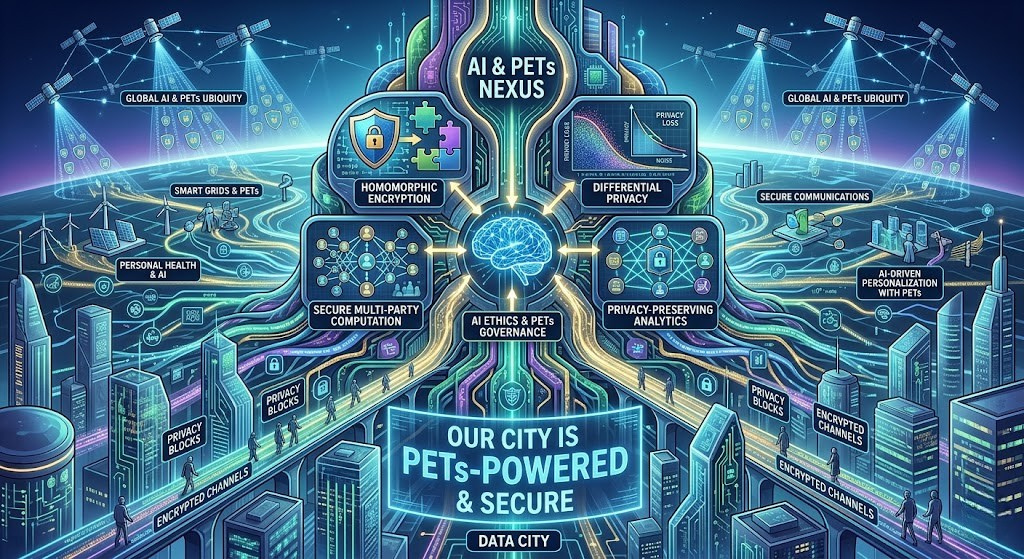
3. AI and Privacy-Enhancing Technologies (PETs) Take Over
How do you personalize without personal data? The answer in 2026 lies in advanced Artificial Intelligence and Privacy-Enhancing Technologies (PETs).
Data Clean Rooms: These secure environments allow brands and publishers to pool their first-party data and look for overlapping audiences without actually exposing personally identifiable information.
Predictive AI: Analysts use AI to process macro-trends and contextual signals to predict consumer behavior with terrifying accuracy, all without needing to know exactly who the user is. This is the new foundation of predictive marketing.
Synthetic Data: AI is being used to generate fake datasets that mirror the statistical properties of real customer data, allowing teams to test campaigns and train algorithms without risking privacy breaches.
4. The Renaissance of Contextual Advertising
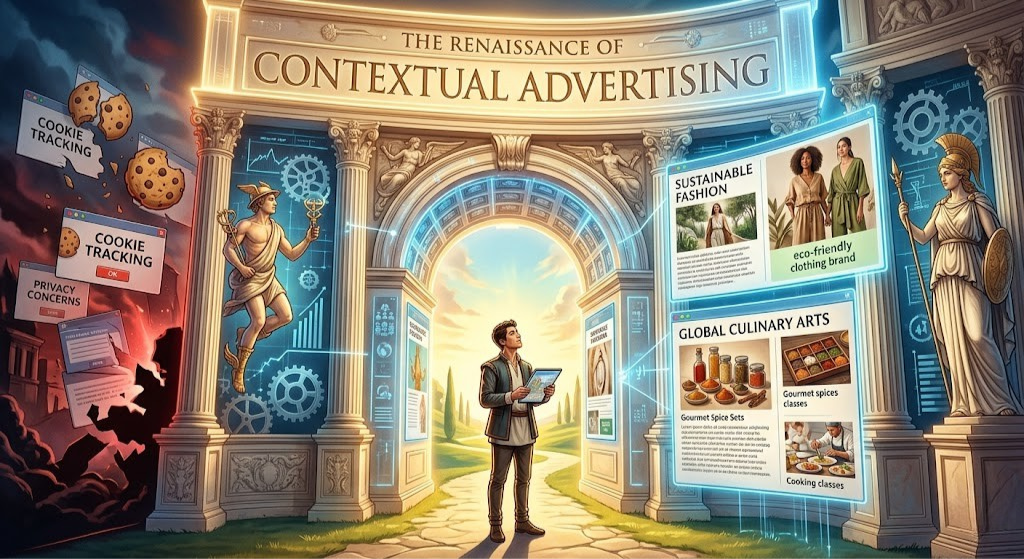
Everything old is new again. With behavioral tracking crippled, contextual advertising—placing ads based on the content of the page rather than the profile of the user—has seen a massive resurgence.
Today’s contextual ads are hyper-intelligent marketing tools. Machine learning algorithms analyze not just keywords, but sentiment, imagery, and themes to serve highly relevant ads that feel personalized but remain entirely privacy-compliant. This shift has completely redefined modern marketing.
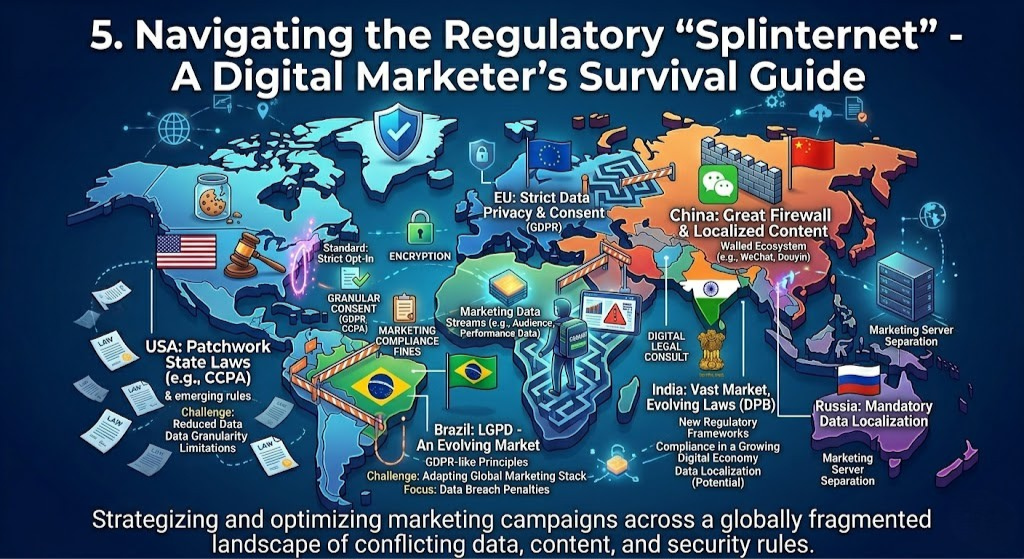
5. Navigating the Regulatory "Splinternet"
The regulatory landscape in 2026 is complex for marketing teams. From the evolution of GDPR in Europe and the CCPA in California to the full enforcement of India’s DPDP Act, professionals are dealing with a fragmented web of regional laws.
To cope, global brands are moving away from one-size-fits-all campaigns. Instead, they are utilizing dynamic marketingplatforms that automatically adjust tracking parameters, consent requests, and even ad creatives based on the specific legal jurisdiction of the IP address loading the page.
The Bottom Line
Data privacy in 2026 isn’t a roadblock; it’s a filter. It is filtering out lazy marketing practices and forcing brands to build authentic, value-driven relationships with their audiences. The professionals who are thriving today are those who view privacy not as a compliance burden, but as the ultimate foundation for customer trust and effective marketing.