
The world of copywriting is undergoing a dramatic transformation. For decades, crafting compelling messages relied solely on human creativity, intuition, and experience. Today, however, artificial intelligence is reshaping how marketers, writers, and brands approach content creation. With AI-powered tools becoming increasingly sophisticated, the era of ai copy is no longer a distant possibility—it’s here, and it promises both opportunities and challenges for copywriters worldwide.
How AI is Changing Copywriting
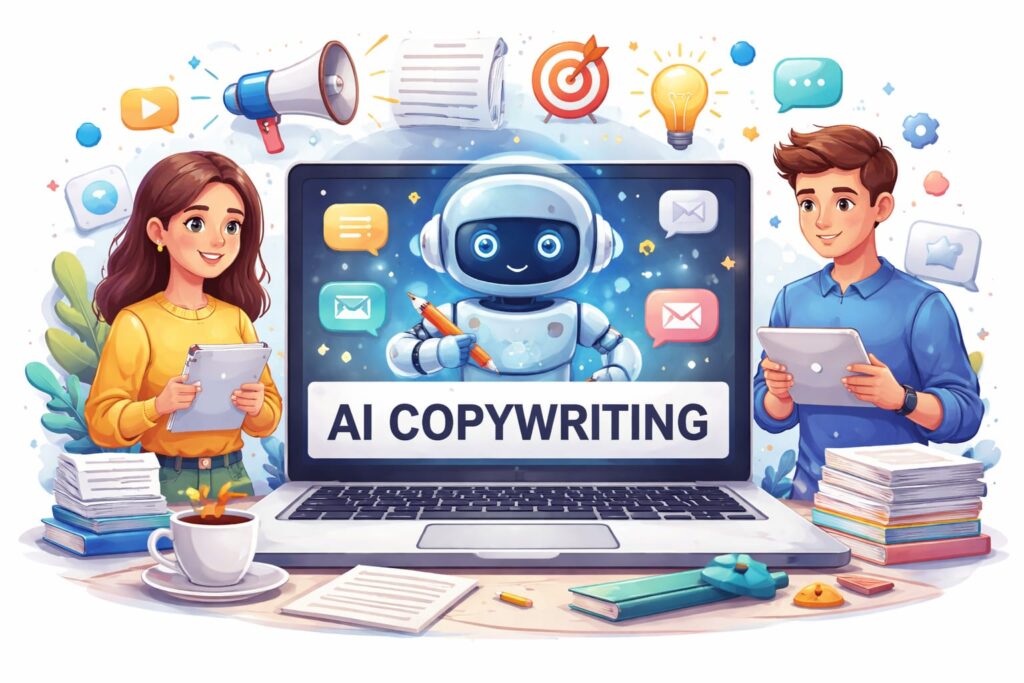
AI technology has evolved from simple predictive text to advanced content generation. Modern AI algorithms can analyze audience behavior, generate persuasive ad copy, and even optimize content for search engines. The rise of ai copy tools allows marketers to produce high-quality content faster than ever before, reducing manual effort while maintaining effectiveness. For example, AI platforms can suggest headlines, create product descriptions, and even write blog posts, all tailored to a brand’s tone and style.
However, the role of human writers is far from obsolete. While AI can handle repetitive tasks, creativity, empathy, and cultural nuance remain uniquely human traits. The most successful copywriters in the AI era are those who leverage ai copy as a collaborative partner rather than a replacement, combining machine efficiency with human insight to craft compelling messages.
Benefits of Using AI in Copywriting
The adoption of ai copy tools brings several advantages to businesses and content creators:
Increased Efficiency: AI can generate multiple versions of a message in seconds, helping marketers test different approaches and optimize campaigns quickly.
Data-Driven Insights: AI analyzes engagement metrics and audience behavior, offering recommendations that improve conversion rates and user engagement.
Cost Savings: Automating routine writing tasks allows companies to allocate human resources to higher-value creative work.
Consistency Across Channels: Maintaining a consistent brand voice across emails, social media, and websites is easier when using AI-powered copywriting tools.
These benefits are transforming the copywriting industry, allowing businesses of all sizes to compete in a market where speed and precision are crucial.
Challenges and Ethical Considerations
Despite its many advantages, ai copy comes with challenges that cannot be ignored. One major concern is authenticity. Consumers are increasingly sensitive to generic or formulaic content, and AI-generated text can sometimes feel impersonal or robotic. Human oversight is essential to ensure that messaging resonates emotionally and aligns with brand values.
Another issue is originality. AI tools learn from existing content, which raises questions about plagiarism and intellectual property. Copywriters must review and refine AI-generated content to ensure it is unique and legally sound. Additionally, reliance on AI could potentially diminish human creativity if overused, making it essential for professionals to strike a balance between automation and personal expression.
The Role of Human Copywriters in the AI Era
Human copywriters are not being replaced—they are evolving. In the AI era, the best copywriters act as strategists, editors, and storytellers, guiding ai copy to meet specific marketing goals. They provide context, refine tone, and infuse personality into content, ensuring it connects with audiences on a deeper level.
For instance, while AI can generate multiple ad variations, a human copywriter decides which version aligns best with the brand’s messaging and cultural context. In this way, ai copy becomes a powerful tool that amplifies human creativity rather than replacing it.
Future Trends in AI Copywriting
The future of copywriting will likely involve a hybrid model, blending AI capabilities with human creativity. Here are some trends we can expect:
Hyper-Personalization: AI will enable brands to deliver content tailored to individual users, increasing engagement and conversion rates.
Multilingual Copy: AI will allow brands to generate high-quality content in multiple languages quickly, opening doors to global markets.
Real-Time Optimization: AI algorithms will continuously refine copy based on live user data, making marketing campaigns more adaptive and effective.
Voice and Visual Copy: AI may expand into creating content for emerging formats, such as voice assistants, video scripts, and interactive media.
By embracing these trends, copywriters can harness ai copy to produce more effective, data-informed, and personalized content than ever before.
Conclusion
The rise of ai copy marks a new era in the world of copywriting. While AI tools can handle many technical aspects of content creation, the human touch remains indispensable. Successful copywriters in the AI era will combine the efficiency and analytical power of AI with creativity, empathy, and cultural understanding.
Rather than fearing obsolescence, writers should view AI as a collaborator—a powerful tool that frees them from repetitive tasks, enhances productivity, and unlocks new creative possibilities. The future of copywriting lies not in choosing between human and machine, but in mastering the synergy of both.
As AI continues to evolve, one thing is certain: the copywriting profession will never be the same, but it will continue to thrive for those willing to adapt, innovate, and embrace the age of ai copy.