
Search engine optimization has never been a static field. Over the years, algorithms, user behavior, and technology have constantly reshaped how websites rank and how people discover information online. As we move deeper into 2026, one big question continues to surface in the digital marketing world: Is Google still the king of search, and what does the future of SEO look like?

For decades, Google has dominated the search engine landscape. Businesses, bloggers, and marketers have built entire strategies around its algorithms. However, the digital ecosystem is evolving rapidly with the rise of artificial intelligence, voice search, alternative search platforms, and changing user expectations. These shifts are forcing marketers to rethink the future of SEO and how search visibility will work in the coming years.
The Changing Face of Search
For many years, ranking on Google was the ultimate goal for websites. If your content appeared on the first page, you could expect significant traffic and visibility. However, the way users search for information has changed significantly.
Today, people use voice assistants, AI chatbots, social media platforms, and even video platforms to discover information. Instead of typing a few keywords into a search bar, users now ask complete questions or rely on AI-generated summaries.
This shift is reshaping the future of SEO. Traditional search engine optimization strategies alone are no longer enough. Businesses must now optimize content for multiple discovery channels, not just Google.
Google’s Continued Dominance
Despite new platforms emerging, Google still dominates the search industry in 2026. Billions of searches are performed every day, and Google continues to improve its algorithms using artificial intelligence.
Features such as AI summaries, voice search integration, and personalized search results keep Google ahead of competitors. These advancements ensure users get accurate information faster than ever.
However, Google is no longer the only gateway to information. Platforms like AI assistants, video search, and social search are also influencing the future of SEO. While Google remains powerful, the ecosystem around search is expanding rapidly.
AI and the Future of Search Optimization
Artificial intelligence has become one of the biggest forces shaping the future of SEO. Search engines now understand context, intent, and user behavior better than ever before.
Instead of focusing purely on keywords, search engines analyze whether content truly answers the user’s question. This means high-quality, well-structured, and informative content is more important than ever.
AI also evaluates factors like:
User engagement
Content relevance
Expertise and trustworthiness
Website performance
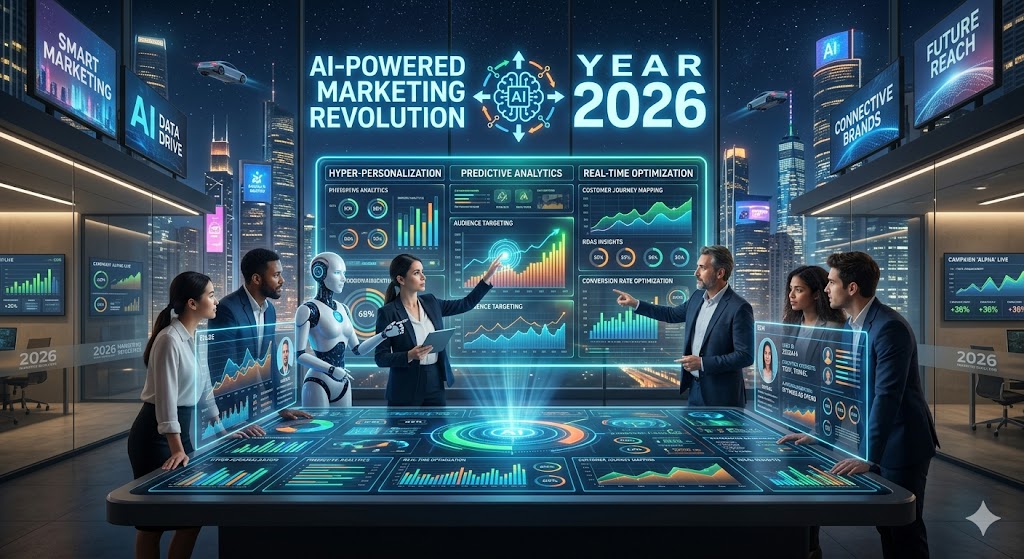
Because of this, the future of SEO is less about manipulating algorithms and more about creating valuable experiences for users.
Voice Search and Conversational Queries
Voice assistants have transformed how people search for information. Instead of typing “best restaurants Delhi,” users might ask, “What are the best restaurants near me for dinner tonight?”
This conversational style of searching has major implications for the future of SEO. Content must now match natural language patterns and answer specific questions clearly.
To adapt, marketers are focusing on:
Long-tail keywords
FAQ sections
Conversational content
Structured data
These strategies help search engines understand and deliver the most relevant results in voice searches, shaping the future of SEO even further.
The Importance of Trust and Authority
In 2026, search engines are extremely focused on credibility. With misinformation spreading quickly online, platforms prioritize trustworthy content sources.
Google and other search platforms evaluate signals like expertise, authority, and reliability before ranking content. This means businesses must invest in strong branding, expert content, and authentic engagement.
Building authority will play a crucial role in the future of SEO. Websites that consistently provide accurate and helpful information will continue to perform well in search rankings.
So, Is Google Still the King?
The answer is both yes and no.
Google still leads the global search market and remains the primary traffic source for many websites. However, the digital landscape is becoming more decentralized. AI tools, voice assistants, social platforms, and video search engines are all competing for user attention.
Because of this shift, the future of SEO is not limited to Google alone. Successful digital strategies must consider multiple platforms where users search for information.
Final Thoughts
SEO in 2026 is more complex but also more exciting than ever before. Technology is transforming how people discover information, and marketers must adapt to these changes.
While Google continues to dominate traditional search, the future of SEO lies in diversification, user-focused content, and AI-friendly optimization. Businesses that embrace these trends will stay ahead in the evolving digital ecosystem.
Ultimately, the future of SEO belongs to brands that prioritize value, authenticity, and meaningful user experiences rather than simply chasing rankings.