Social media is evolving faster than ever, and 2026 is shaping up to be a year where brands must rethink how they approach digital and marketing. With new technologies, changing user behaviors, and rising competition, staying ahead of trends is no longer optional—it’s essential. Whether you’re a small business owner or a marketing professional, understanding the future of this space will help you build stronger connections with your audience.
Let’s explore the top social media marketing trends that will define 2026.
1. AI-Powered Content Creation Becomes the Norm
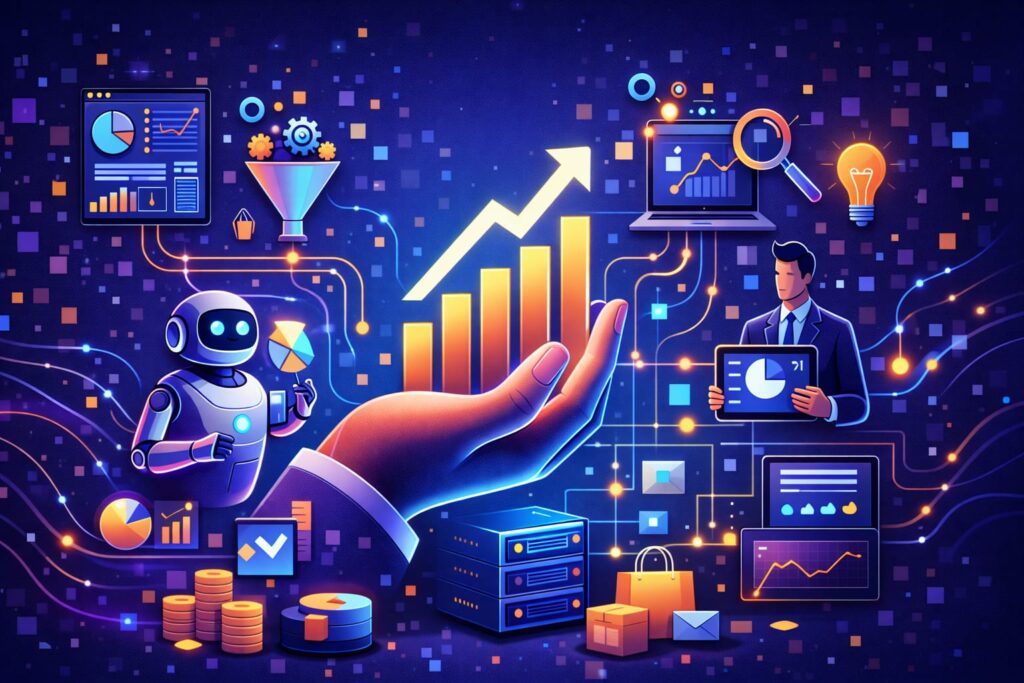
Artificial intelligence is no longer just a buzzword—it’s becoming a daily tool for marketers. In 2026, AI will play a major role in digital and marketing strategies, especially in content creation. From writing captions to generating visuals and short videos, AI is helping brands work smarter.
That said, the human touch still matters. Brands that combine AI efficiency with authentic storytelling will stand out in a crowded space.
2. Short-Form Video Still Dominates
Short-form video content continues to lead engagement across platforms. Whether it’s quick tips, behind-the-scenes clips, or relatable stories, audiences prefer content that is fast and engaging.
In 2026, successful campaigns will focus on:
- Grabbing attention within the first few seconds
- Keeping content simple and relatable
- Optimizing for mobile users
Video will remain a key pillar of digital and marketing success.
3. Rise of Social Commerce
Social media platforms are becoming powerful shopping destinations. Users are no longer just discovering products—they are buying them instantly without leaving the app.
This shift is transforming how brands approach digital and marketing. Businesses now need to:
- Create seamless shopping experiences
- Use live selling features
- Partner with creators to promote products
Social commerce is no longer optional—it’s essential.
4. Personalization at a Deeper Level
Generic content is fading away. Today’s audience expects personalized experiences that match their interests and needs.
Brands are now using data to refine their digital and marketing strategies by focusing on:
- User behavior
- Preferences
- Past interactions
The more relevant your content is, the better your engagement and conversions will be.
5. Influencer Marketing Gets More Authentic
Influencer marketing is evolving in a big way. In 2026, people trust micro and nano influencers more than big celebrities because they feel more genuine.
For better results in digital and marketing, brands should focus on:
- Long-term collaborations
- Honest recommendations
- Value-driven partnerships
Authenticity is what drives real impact today.
6. Community Building Over Follower Count
Having a large follower base is no longer the ultimate goal. What matters more is building a strong and engaged community.
Brands are focusing on:
- Meaningful conversations
- Interactive posts
- Exclusive groups
A loyal community adds long-term value to your digital and marketing efforts.
7. Voice and Conversational Marketing
With the growth of voice search and messaging platforms, conversational marketing is becoming more important.
Businesses are integrating chatbots and voice tools into their digital and marketing strategies to:
- Provide quick responses
- Improve user experience
- Guide customers through their journey
This creates a more personal and seamless interaction.
8. Focus on Privacy and Transparency
Consumers are becoming more aware of how their data is used. In 2026, trust will play a major role in brand success.
Companies must ensure their digital and marketing practices are:
- Transparent
- Ethical
- Respectful of user data
Trust is becoming a competitive advantage.
9. User-Generated Content Gains More Importance
People trust real experiences over brand advertisements. Content created by customers—like reviews and testimonials—has a strong impact.
Encouraging user-generated content strengthens your digital and marketing strategy while also building credibility and engagement.
10. Multi-Platform Strategy is Essential
Relying on just one platform is risky. Brands need to diversify their presence to stay relevant.
A strong digital and marketing strategy includes:
- Platform-specific content
- Consistent messaging
- Cross-promotion
Being active across multiple platforms helps you reach a wider audience.
Final Thoughts
The social media landscape is constantly evolving, and 2026 will bring new challenges and opportunities. Brands that stay flexible, creative, and audience-focused will succeed.
By adapting these trends into your digital and marketing approach, you can build deeper connections, improve engagement, and drive better results. The future is all about being real, responsive, and ready to evolve.